Large-Scale
AI Power Systems
Integrated primary power systems for large-scale AI campuses, utility-constrained deployments, and high-density computing infrastructure.
- 300MW+ Scalable Architectures
- Hybrid Turbine & Generator Systems
- Utility-Constrained Deployment Support
- EPC-Oriented Integration
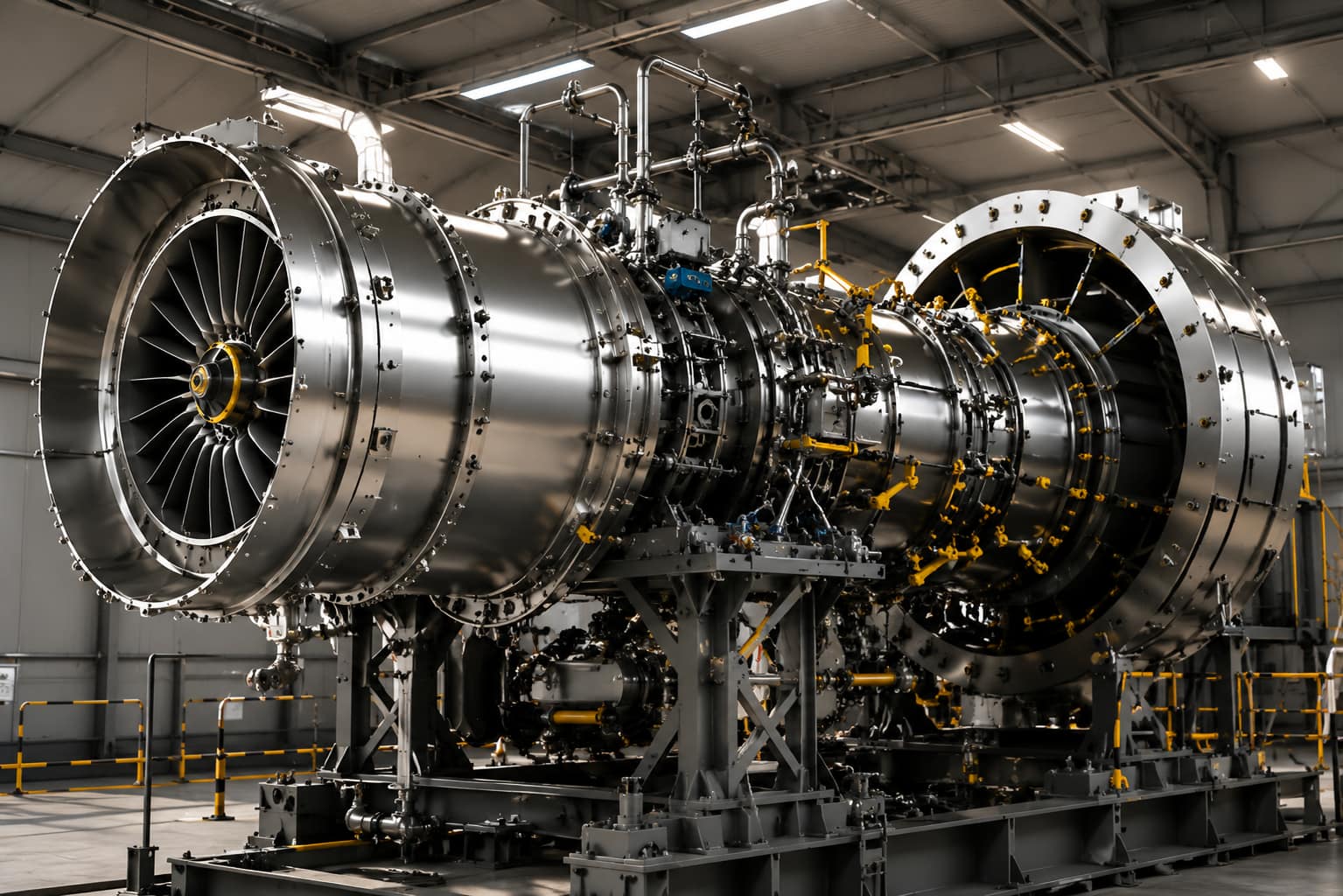
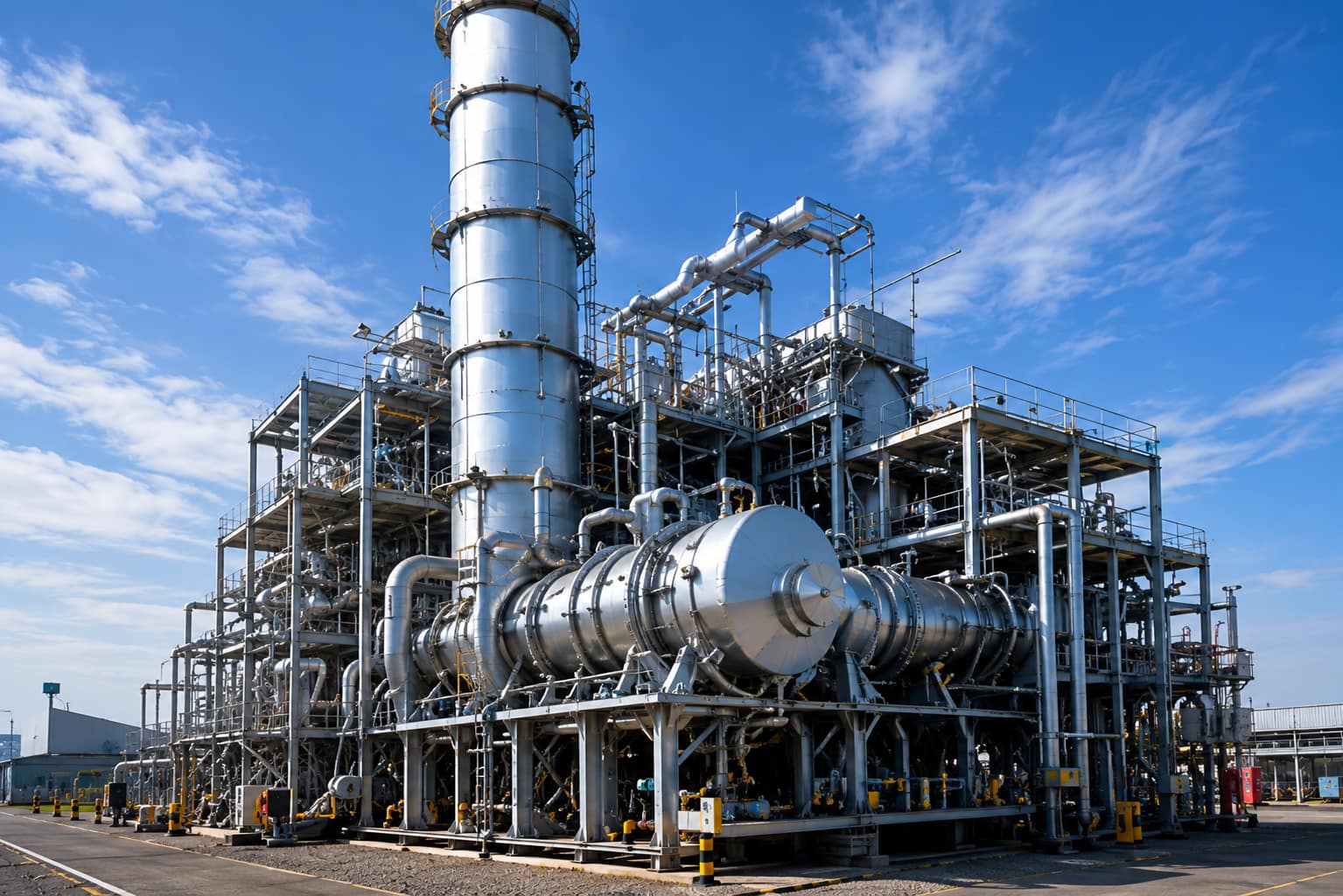
ETAC Power provides scalable AI primary power solutions integrating gas turbines, steam turbines, fast-response generation systems, electrical infrastructure, and intelligent power management solutions for continuous AI operations. As AI computing demand accelerates beyond available utility capacity in many regions, ETAC Power supports clients with flexible power generation strategies designed to accelerate deployment schedules, reduce project energization timelines, and support phased expansion. Select gas turbine platforms may offer deployment schedules as short as 8–16 months, helping clients bring AI infrastructure online faster.
Key Highlights
- Scalable campus power configurations exceeding 300 MW+
- Accelerated Deployment & Competitive Lead Times
- Primary power generation for AI infrastructure
- Hybrid turbine and generator architectures
- Load-following and operational flexibility
- Off-grid and weak-grid deployment capability
- Integrated electrical infrastructure support
- EPC-oriented system integration
AI Infrastructure Requires a Different Power Strategy
Large AI Data Centers create electrical and operational challenges that traditional backup power systems were not originally designed to support.
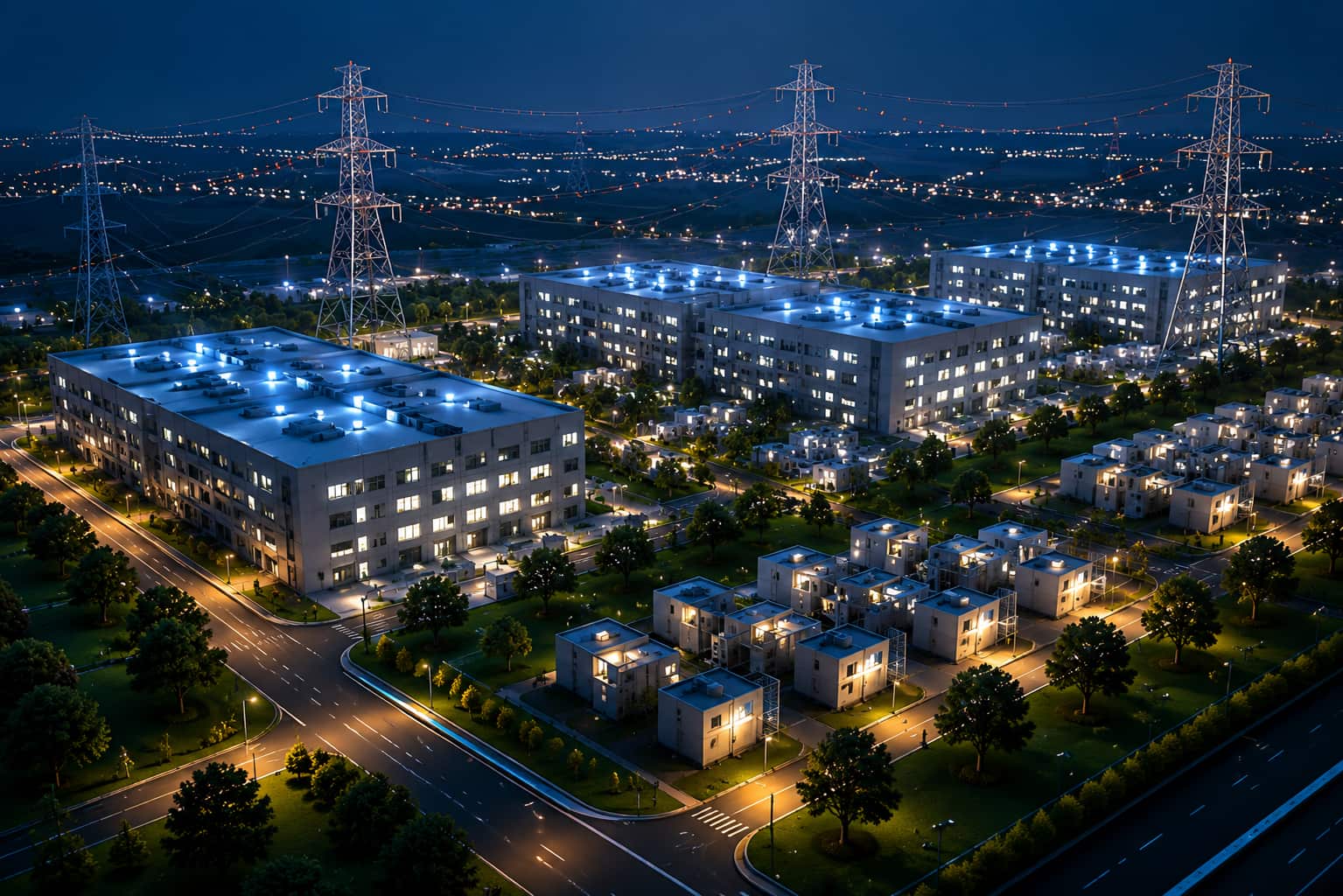
AI campuses are often deployed in phases, with computing capacity added incrementally over time. At the same time, real-time AI workloads can create rapid fluctuations in electrical demand depending on training activity, inference scaling, and cooling requirements.
In many regions, utility infrastructure and transmission availability are becoming major constraints for AI deployment timelines. As a result, large-scale primary power generation is increasingly being evaluated to support continuous AI operations, accelerated deployment schedules, and energy security.
Large gas turbines provide highly efficient long-duration generation capacity, but they typically operate best under stable loading conditions. Smaller fast-response generator systems can help support startup conditions, spinning reserve, load-following requirements, and rapid demand changes.
ETAC develops integrated AI power architectures that combine large-scale generation with flexible-response systems to support stable long-term operation across dynamic computing environments.

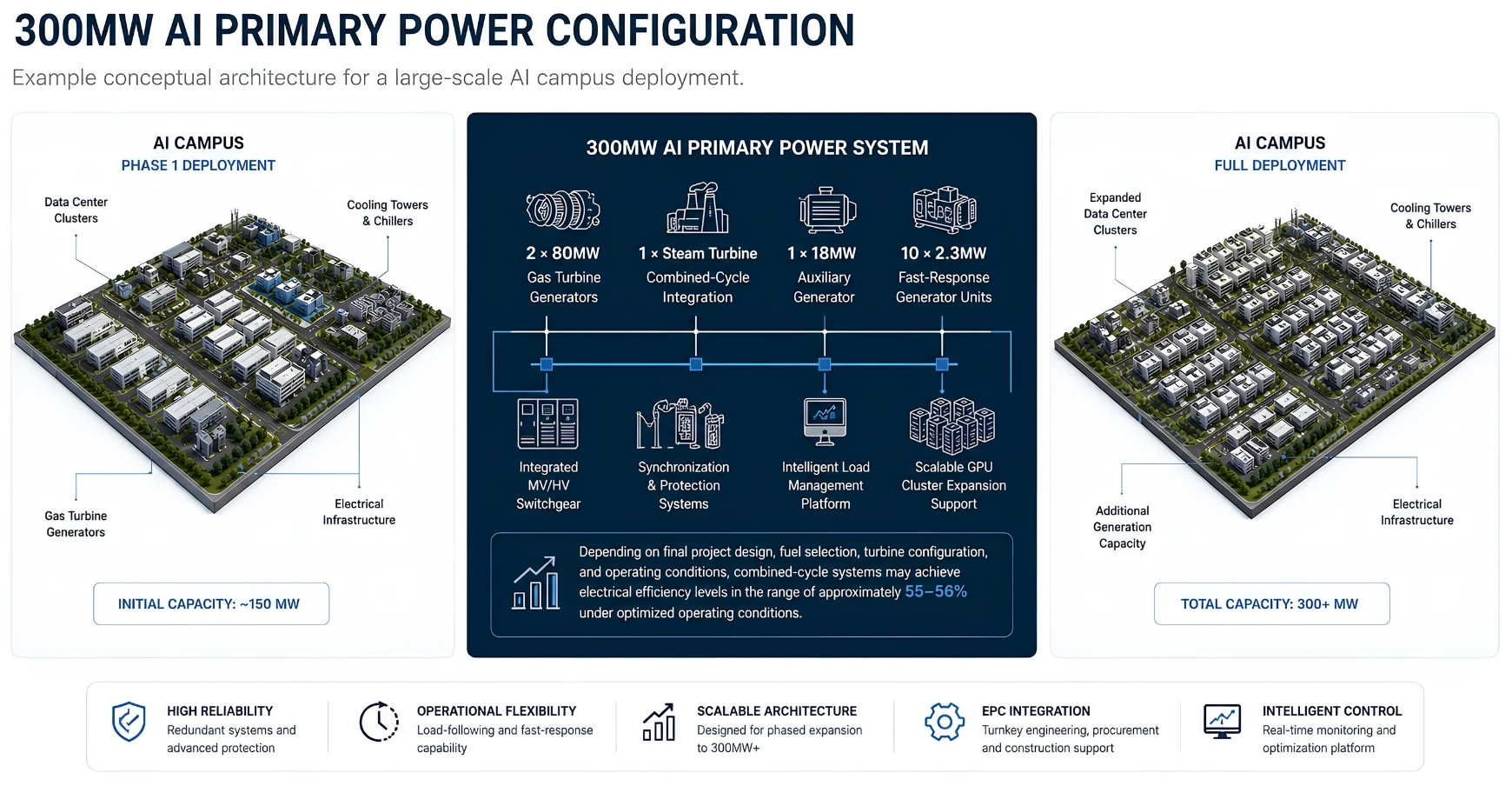
300MW AI Primary Power Configuration
Depending on final project design, fuel selection, turbine configuration, and operating conditions, combined-cycle systems may achieve electrical efficiency levels in the range of approximately 55–56% under optimized operating conditions.
Designed for Dynamic AI Loads
AI data center power demand rarely remains constant throughout operation.
Large gas turbines are highly effective for stable baseload generation and long-duration efficiency. However, AI facilities may experience phased capacity expansion, fluctuating computational demand, cooling load variation, and rapid transient load events.
Fast-response generator systems help provide operational flexibility by supporting:
- Startup and black-start support
- Load-following capability
- Spinning reserve requirements
- Rapid transient response
- Supplemental generation during peak demand periods
By combining large-scale turbines with flexible-response generation systems, hybrid architectures can support more stable long-term AI power delivery while reducing operational challenges associated with low-load turbine operation.
Key Benefits
- Stable baseload generation
- Improved operational flexibility
- Load-following capability
- Peak-demand support
- Phased AI expansion support
- Reduced low-load operating risk
- Enhanced deployment scalability
Typical Operating Configuration Strategy
1. Base Load Operation
Single gas turbine generation supporting initial AI campus deployment
2. Phased Capacity Expansion
Additional turbine generation integrated as GPU clusters expand
3. Peak Computational Demand
Supplemental fast-response generation activated during high transient load periods
4. Rapid Load Swing Events
Auxiliary generation systems supporting sudden load variation and reserve requirements
5. Grid-Constrained or Islanded Operation
Independent primary power operation for utility-constrained or remote deployments
Complete Electrical Infrastructure Integration
Systems Integration Scope
- Gas Turbine Generator Systems
- Steam Turbine Integration
- Medium & High Voltage Switchgear
- Synchronization & Protection Systems
- Generator Control Systems
- Electrical Distribution Infrastructure
- SCADA & Monitoring Platforms
- Solid-State Transformer (SST) & Power Conversion Solutions
- AI Facility Interface Engineering
- Balance of Plant Electrical Coordination
Deployment Scenarios
Applications
- AI Data Center Campuses
- Hyperscale Computing Infrastructure
- Off-Grid AI Facilities
- Utility-Constrained Regions
- Remote High-Density Computing Sites
- HPC & Industrial Compute Facilities
- Energy-Intensive Computing Facilities
Engineering Support from Concept to Operation
ETAC supports customers through conceptual planning, electrical integration strategy, equipment coordination, and system deployment support for large-scale AI power infrastructure projects.
Support services may include:
- Preliminary power architecture planning
- Conceptual system layouts
- Equipment integration support
- Generator configuration strategy
- Technical consultation
- EPC project collaboration
- Power system interface support
Why AI Developers Are Evaluating Primary Power Generation
AI infrastructure growth is accelerating faster than utility expansion capacity in many markets.
Large-scale AI campuses often face:
- Long utility interconnection timelines
- Transmission infrastructure limitations
- Power density constraints
- Delayed energization schedules
- Uncertain long-term grid availability
Primary power generation strategies may help support accelerated deployment timelines, phased AI expansion, improved energy security, and greater operational flexibility for high-density computing infrastructure.
As AI demand continues to scale globally, integrated on-site generation is increasingly becoming part of long-term infrastructure planning for hyperscale computing environments.
- Reduced site construction
- Faster commissioning
- Faster path to energization for utility-constrained deployments
- Scalable infrastructure
- Flexible site integration
- Simplified maintenance access
Discuss Your AI Power Infrastructure Project
Contact us to explore scalable AI primary power architectures for high-density computing campuses, utility-constrained deployments, and large-scale infrastructure projects.